 Tile & Marble Cutting
 Concrete Blade
 Cutting&Grinding Blade
 Carving&Cutting Blade
 Oscillating Blade
 Diamond Drill Bit Kit
 5/8-11" Thread
 M14 Thread
 Hex Shank
 Turbo Row Wheel
 Vacuum Brazed Grinding Wheel
 Profile wheel
 PCD Grinding Wheel
 Diamond Polishing Pads for Stone
 Diamond Polishing Pads for Concrete
 Diamond Hand Polishing Pads
  Other Tools & Accessories
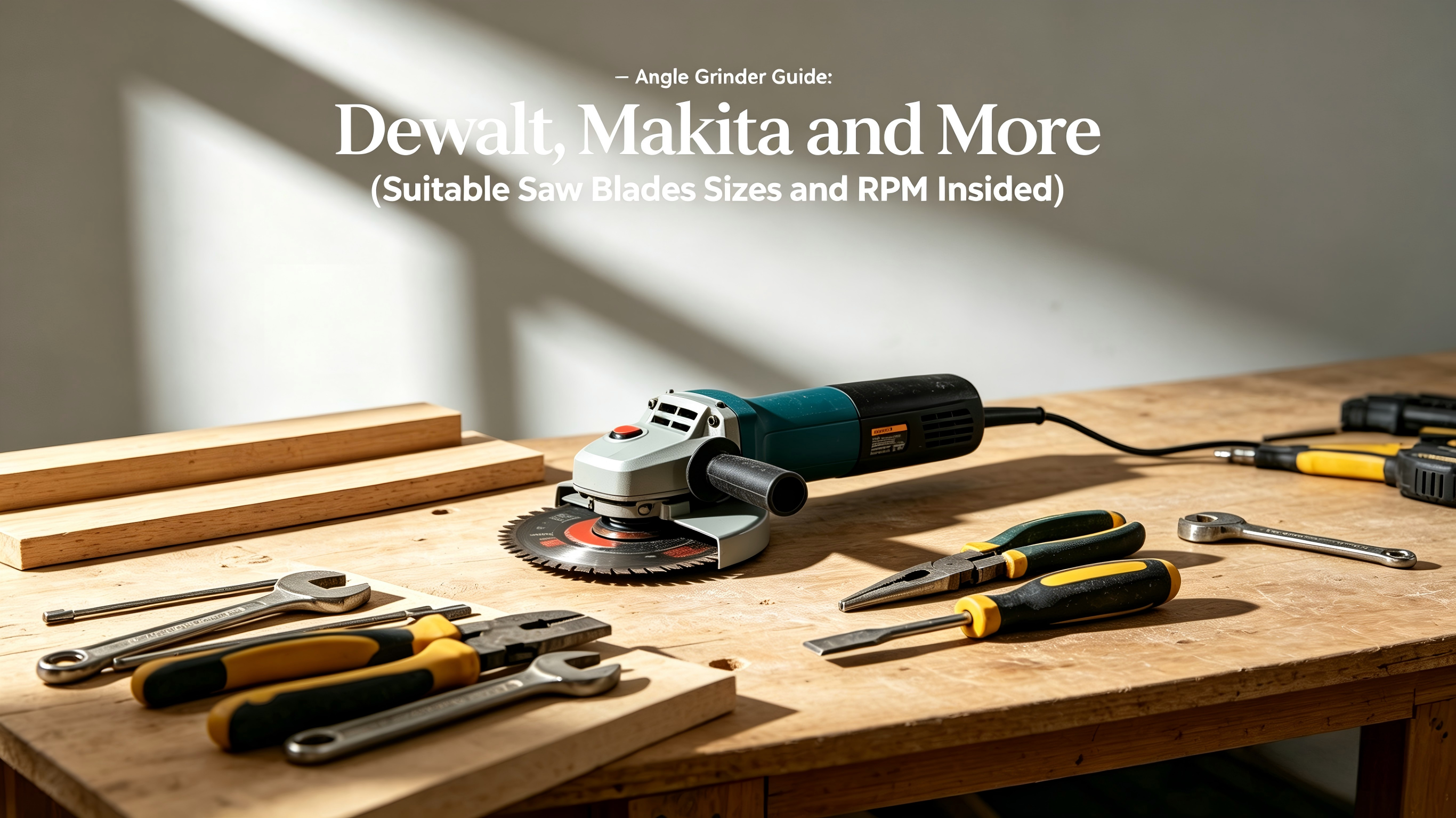
An angle grinder is one of the most versatile tools in any workshop or job site. But performance, safety, and cut quality all depend on one thing: choosing the right cutting disc.
This guide breaks down how to select the best blade for metal, wood, concrete, and more—so you get cleaner cuts, longer tool life, and safer operation.
Choose the Right Disc by Material
Metal Cutting
Use a thin resin-bonded cutting disc (1–2 mm) for fast, precise cuts.
Match the disc diameter to your grinder (100 mm / 4", 125 mm / 5").
-
Designed for straight cutting only
-
Not suitable for grinding or side pressure
-
Thinner discs = faster cuts, less heat buildup
Wood Cutting
Choose a carbide-tipped wood cutting blade (40+ teeth).
-
Standard grinders: 115–125 mm
-
Compact grinders: under 100 mm
-
Look for “Wood Cutting Only” labeling
Avoid using metal or stone discs on wood—they increase kickback risk and reduce control.

Stone & Concrete
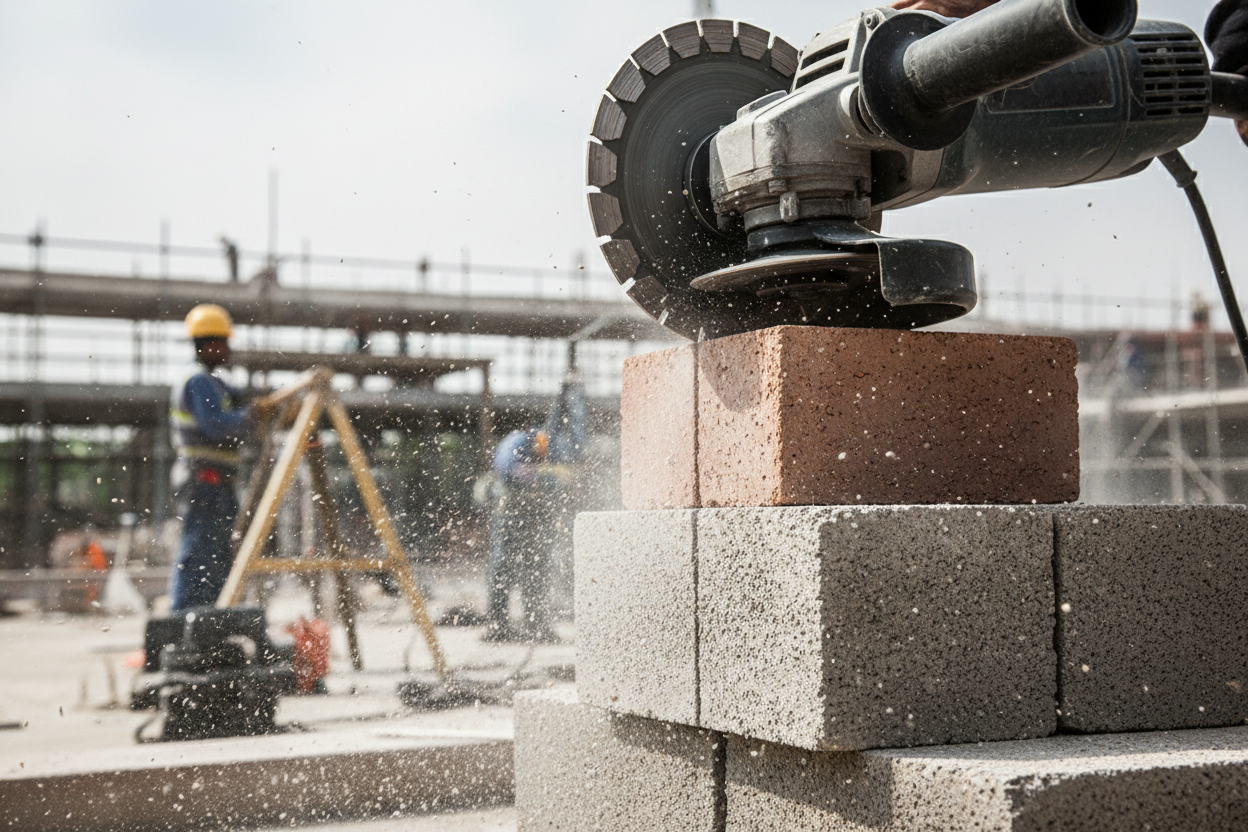
A diamond cutting disc is the only reliable option.
-
Ideal for concrete, brick, stone, tile
-
Longer lifespan than resin discs
-
Better heat resistance under heavy load
For deep cutting or wall chasing, use a high-power grinder (1200W+) or a dedicated cutter.
Plastic & Composites
Use a fine-tooth blade or multi-purpose cutting disc.
-
Smaller teeth reduce chipping
-
Ventilation slots help prevent melting
-
Maintain steady speed to avoid friction buildup

Match Your Grinder Specifications
Always check your grinder’s maximum RPM rating.
-
Never exceed the disc’s rated speed
-
Some accessories (e.g., wire brushes) are typically limited to around 10,000 RPM
Power guidelines:
-
800W: light DIY, thin metal cutting
-
1000–1200W: general-purpose use
-
1200W+: concrete, stone, heavy-duty work
Best pairing:
-
Medium power → resin metal discs
-
High power → diamond cutting discs
Disc Materials & Tooth Design
Understanding disc construction helps you choose faster:
-
Resin-bonded discs: best for metal, fast cutting, shorter lifespan
-
Diamond cutting discs: best for masonry, durable, higher cost
-
Aluminum oxide discs: budget-friendly, general-purpose metal work
Tooth profiles:
-
Alternate teeth → clean cuts in wood
-
Flat/TCG teeth → aluminum and non-ferrous metals
-
Fine teeth → plastics, acrylic
Safety & Installation Tips
-
Use the correct diameter and arbor size
-
Never install damaged or unmarked discs
-
Replace worn or cracked discs immediately
-
Always wear safety goggles and gloves
-
Keep the workpiece firmly secured
How to Replace a Cutting Disc
-
Disconnect power and wait for a full stop
-
Press the spindle lock and loosen the flange nut
-
Remove the old disc and inspect the flange
-
Install the new disc (check rotation direction)
-
Tighten securely—do not overtighten
-
Run the tool briefly to check stability
How to Extend Disc Life
-
Use the correct disc for each material
-
Apply steady pressure—don’t force the cut
-
Let the disc cool during extended use
-
Keep discs clean and dry during storage
-
Re-sharpen diamond or carbide blades when needed

Final Thoughts
The right cutting disc makes all the difference. Whether you’re cutting metal, shaping wood, or working with concrete, matching the disc to the material—and your grinder—ensures better results and safer operation.
Invest in quality discs, follow proper usage, and your angle grinder will deliver consistent performance on every job.